

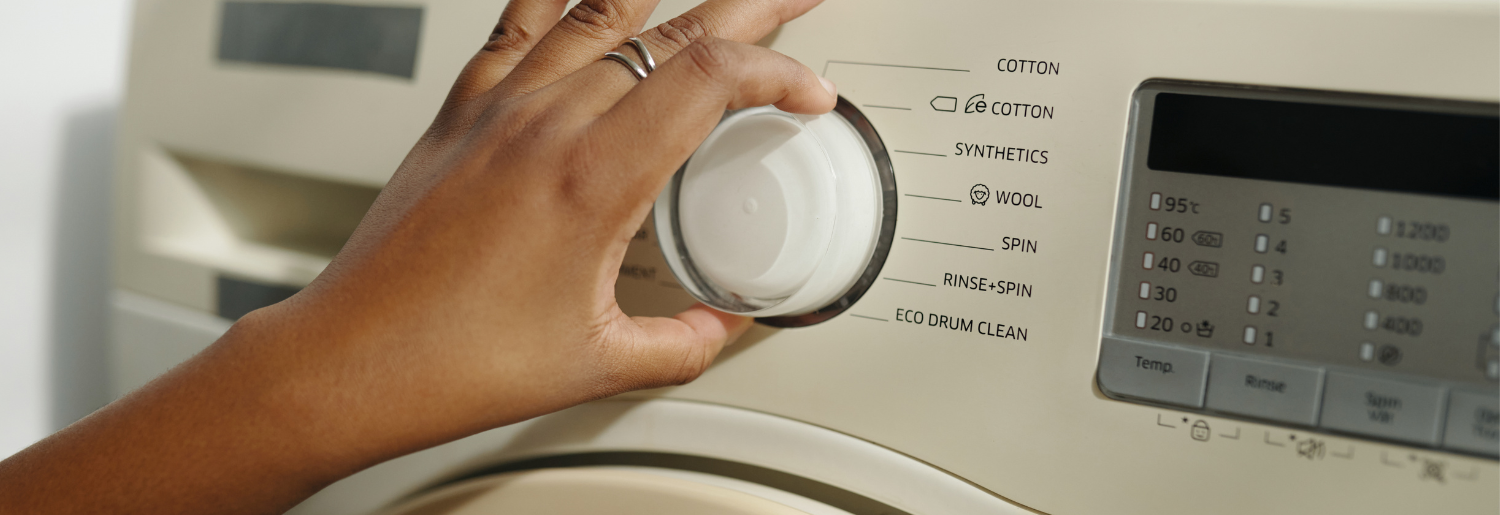
We’ve all been there standing in front of the washing machine, thumb hovering over the "Hot" button, thinking it’s the only way to get things truly clean. In our minds, high heat equals high hygiene. But when it comes to high-performance bedding, that heat might be doing more harm than good.
The secret to long-lasting softness isn't just the detergent you use; it’s the temperature of the water and the way you treat the fibers. Here is the deep-dive breakdown of how to wash your favorite fabrics without stripping away their performance.
The "Cool" Crowd: TENCEL™ and BambooPro
If your bed is a sanctuary of silky, moisture-wicking materials like TENCEL™ or BambooPro, heat is your biggest enemy. These fibers are botanically derived and designed to breathe. High temperatures can cause these delicate fibers to break down, lose their "cool-to-the-touch" feel, or worse start pilling.
- The Verdict: Stick to Cold or Cool water (30°C to 40°C max).
- The Science: Cold water protects the structural integrity of the fibers. Heat causes the smooth surface of TENCEL™ to roughen up, which is why your sheets might feel "fuzzy" or less silky after a hot wash. Keeping it cool ensures they stay pill-resistant and draped perfectly for years.
The Middle Ground: Egyptian Cotton
Egyptian Cotton is the gold standard for crisp, hotel-style luxury. Because cotton is a natural staple fiber, it is more durable than some botanic alternatives, but that doesn't mean you should "boil" it.
- The Verdict: Warm water is the sweet spot.
- The Science: Warm water is effective at emulsifying body oils, sweat, and surface dirt. While hot water can sanitize, it also leads to significant shrinkage and weakens the cotton threads over time. A warm wash provides a deep clean while maintaining that structured, crisp feel you love.
The Detergent Trap: More Isn't Better
It’s tempting to pour an extra capful of detergent for a "extra deep clean," but this is one of the most common laundry mistakes. Excess soap doesn’t just disappear; it gets trapped deep within the weave of your sheets.
- The Result: A stiff, "crunchy" feel and a dull, grayish appearance. This residue also attracts more dirt and skin cells over time.
- The Fix: Use just enough usually about half the amount recommended for a standard load. High-quality sheets have a tighter weave, meaning they require less soap to get the job done. If your sheets feel stiff after drying, try an extra rinse cycle instead of more soap next time.

The Stain Strategy: Skip the Bleach
Got a spill or a cosmetic stain on your white linens? Reaching for the bleach might seem like the logical move, but bleach is incredibly harsh. It’s an oxidizer that can turn white sheets yellow and eat away at the fibers until they tear.
- The Pro Move: Pre-soak the area with a gentle, pH-neutral detergent or a specialized oxygen-based soak before the main wash.
- Why: This lifts the stain by breaking down the proteins rather than burning the fabric. This is especially vital for BambooPro and TENCEL™, which can be permanently damaged by chlorine bleach.
The Final Step: The Drying Dilemma
Even if you wash perfectly, the dryer can be the ultimate "sheet killer." High heat in the dryer is like a desert for your bedding.
- Air Dry when possible: This is the best way to maintain the lifespan of your linens.
-
Tumble Dry Low: If you must use a dryer, use the lowest heat setting and remove the sheets while they are still slightly damp to prevent "over-baking" the fibers. This also helps reduce wrinkles significantly!

Softness That Lasts
A great set of sheets is an investment in your sleep. By choosing the right temperature and being mindful of your detergent, you aren't just cleaning your bedding you're preserving the technology that keeps you cool and comfortable every night.


